
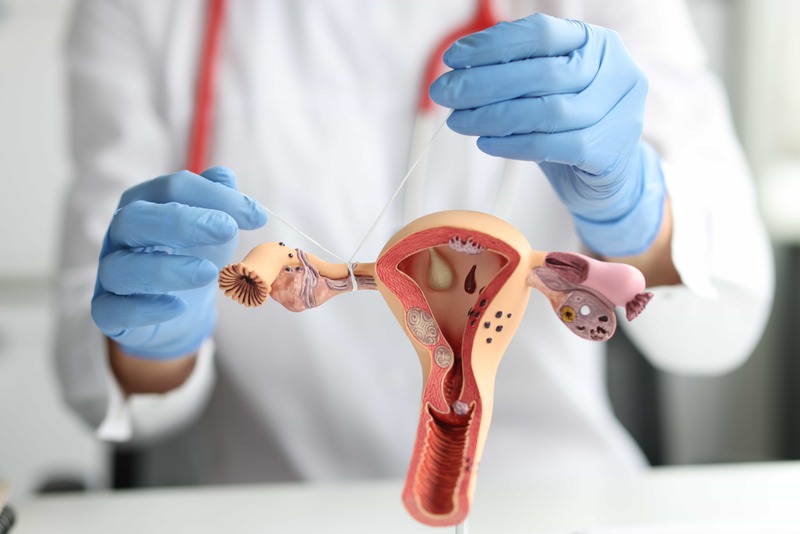
Uterine fibroids, or leiomyomas, are non-cancerous growths that develop in or around the uterus. While some women may not experience any symptoms, others may face significant health challenges. These growths vary in size and location, ranging from small, undetectable nodules to larger masses that can distort the uterus. The most common types of fibroids include intramural (within the uterine wall), submucosal (protruding into the uterine cavity), and subserosal (extending outside the uterus). Fibroids often remain undetected until they cause symptoms like abnormal bleeding, pelvic pain, or infertility.
One of the early signs of fibroids is heavy or prolonged menstrual bleeding, which may lead to fatigue and anemia. Women might also experience pelvic pressure or pain, described as a dull, persistent ache or sharp discomfort in severe cases. Additionally, fibroids pressing on the bladder or rectum can cause frequent urination, constipation, or bowel difficulties. Some women experience lower back pain or discomfort during sexual intercourse, especially if the fibroids are located near sensitive areas. These symptoms often worsen as fibroids grow larger, impacting daily activities and overall quality of life.
Surgery becomes a consideration when fibroids cause severe or unmanageable symptoms. Women experiencing heavy bleeding, chronic pain, or fertility challenges may benefit from surgical intervention. Procedures such as myomectomy, which removes fibroids while preserving the uterus, are ideal for those planning future pregnancies. Hysterectomy, the complete removal of the uterus, provides a definitive solution for women who are not planning to conceive. Minimally invasive options like laparoscopic or robotic-assisted surgery offer quicker recovery and fewer complications, making them increasingly popular.
For women seeking non-surgical alternatives, treatments like hormonal therapies, uterine fibroid embolization (UFE), or MRI-guided focused ultrasound can effectively manage symptoms. However, these options might not provide permanent solutions, particularly for larger or rapidly growing fibroids. If you suspect you have fibroids, consult a gynecologist to discuss your symptoms and explore tailored treatment options. Early diagnosis and intervention are crucial for alleviating discomfort and maintaining reproductive health.
All Blogs
Signs You Might Need Fibroid Surgery: Early Symptoms and Treatment

Impact of Puberty Disorders on Growth and Development
Puberty is a critical stage in human development marked by significant physical, hormonal, and emotional changes. It typically begins between the ages of 8 and 13 for girls and 9 and 14 for boys, but disruptions in the timing or progression of puberty can lead to various health and developmental challenges. Puberty disorders, such as precocious puberty (early onset) or delayed puberty, can interfere with normal growth patterns, emotional well-being, and the attainment of full physical maturity. Understanding these disorders is essential for ensuring timely diagnosis and treatment to support healthy development.
Precocious puberty occurs when puberty begins earlier than the normal age range, often due to hormonal imbalances or underlying medical conditions.Early physical changes, such as breast development in girls or testicular enlargement in boys, can lead to rapid growth spurts and advanced bone maturation.While these children may initially be taller than their peers, they often stop growing earlier, resulting in shorter adult stature.The emotional and social impact can also be significant, as children may feel out of place among their peers due to their advanced physical development.
Delayed puberty, on the other hand, is characterized by a lack of sexual maturation beyond the expected age range. This can result from genetic factors, chronic illnesses, or hormonal deficiencies. Children with delayed puberty may experience slower growth rates, lack of secondary sexual characteristics, and emotional distress from feeling left behind by their peers. If left untreated, delayed puberty can lead to reduced bone density, which increases the risk of osteoporosis later in life. It is crucial to identify the underlying causes and provide appropriate interventions, such as hormone therapy, to stimulate normal growth and development.
Both precocious and delayed puberty can significantly affect a child’s self- esteem, social interactions, and overall quality of life.Timely evaluation by a healthcare professional is essential to diagnose these conditions and implement effective treatment plans.Early intervention can mitigate the impact on growth, support emotional well - being, and ensure that children achieve their full developmental potential.Parents and caregivers play a key role in recognizing signs of puberty disorders and seeking medical advice to safeguard their child's health and future.
Precocious puberty occurs when puberty begins earlier than the normal age range, often due to hormonal imbalances or underlying medical conditions.Early physical changes, such as breast development in girls or testicular enlargement in boys, can lead to rapid growth spurts and advanced bone maturation.While these children may initially be taller than their peers, they often stop growing earlier, resulting in shorter adult stature.The emotional and social impact can also be significant, as children may feel out of place among their peers due to their advanced physical development.
Delayed puberty, on the other hand, is characterized by a lack of sexual maturation beyond the expected age range. This can result from genetic factors, chronic illnesses, or hormonal deficiencies. Children with delayed puberty may experience slower growth rates, lack of secondary sexual characteristics, and emotional distress from feeling left behind by their peers. If left untreated, delayed puberty can lead to reduced bone density, which increases the risk of osteoporosis later in life. It is crucial to identify the underlying causes and provide appropriate interventions, such as hormone therapy, to stimulate normal growth and development.
Both precocious and delayed puberty can significantly affect a child’s self- esteem, social interactions, and overall quality of life.Timely evaluation by a healthcare professional is essential to diagnose these conditions and implement effective treatment plans.Early intervention can mitigate the impact on growth, support emotional well - being, and ensure that children achieve their full developmental potential.Parents and caregivers play a key role in recognizing signs of puberty disorders and seeking medical advice to safeguard their child's health and future.

Balanced Portion Meals in the Management of PCOS
Polycystic ovary syndrome(PCOS) is a common hormonal disorder affecting women of reproductive age, often leading to symptoms like irregular periods, weight gain, acne, and excess hair growth.One of the key ways to manage PCOS effectively is through dietary modifications, particularly focusing on balanced portion meals.A well - balanced diet plays a crucial role in managing the symptoms of PCOS, improving hormonal balance, and supporting overall health.By emphasizing whole foods, nutrient - dense meals, and mindful portion sizes, women with PCOS can significantly improve their condition and quality of life.
A balanced meal for PCOS should include a combination of protein, healthy fats, and complex carbohydrates to help regulate insulin levels, which are often disrupted in women with PCOS.Insulin resistance is a common issue in PCOS and can lead to weight gain and difficulty losing weight.Consuming meals that contain lean protein, such as chicken, fish, or plant - based proteins like legumes, helps stabilize blood sugar levels and prevent insulin spikes.Incorporating healthy fats, like those from avocados, nuts, and olive oil, supports hormone production and reduces inflammation.Meanwhile, complex carbohydrates from whole grains, vegetables, and fruits provide sustained energy without causing rapid spikes in blood sugar.
In addition to balancing macronutrients, portion control is vital in managing PCOS.Women with PCOS often experience difficulty with weight management, so eating smaller, well - balanced meals throughout the day can help regulate appetite and prevent overeating.Using tools like a food diary or tracking app can help monitor portion sizes and make mindful eating a habit.The goal is to create a sustainable, nutritious eating plan that supports metabolic health and helps prevent long - term complications associated with PCOS, such as type 2 diabetes and heart disease.
While no single diet can cure PCOS, balanced portion meals can be a powerful tool in managing the condition.By focusing on whole foods, portion control, and a variety of nutrient - dense ingredients, women with PCOS can improve insulin sensitivity, manage their weight, and reduce the severity of symptoms.A personalized approach to nutrition, ideally developed with the guidance of a healthcare professional or nutritionist, ensures that women can achieve their health goals while managing their PCOS effectively.
A balanced meal for PCOS should include a combination of protein, healthy fats, and complex carbohydrates to help regulate insulin levels, which are often disrupted in women with PCOS.Insulin resistance is a common issue in PCOS and can lead to weight gain and difficulty losing weight.Consuming meals that contain lean protein, such as chicken, fish, or plant - based proteins like legumes, helps stabilize blood sugar levels and prevent insulin spikes.Incorporating healthy fats, like those from avocados, nuts, and olive oil, supports hormone production and reduces inflammation.Meanwhile, complex carbohydrates from whole grains, vegetables, and fruits provide sustained energy without causing rapid spikes in blood sugar.
In addition to balancing macronutrients, portion control is vital in managing PCOS.Women with PCOS often experience difficulty with weight management, so eating smaller, well - balanced meals throughout the day can help regulate appetite and prevent overeating.Using tools like a food diary or tracking app can help monitor portion sizes and make mindful eating a habit.The goal is to create a sustainable, nutritious eating plan that supports metabolic health and helps prevent long - term complications associated with PCOS, such as type 2 diabetes and heart disease.
While no single diet can cure PCOS, balanced portion meals can be a powerful tool in managing the condition.By focusing on whole foods, portion control, and a variety of nutrient - dense ingredients, women with PCOS can improve insulin sensitivity, manage their weight, and reduce the severity of symptoms.A personalized approach to nutrition, ideally developed with the guidance of a healthcare professional or nutritionist, ensures that women can achieve their health goals while managing their PCOS effectively.

How an Adolescent or Woman Can Suspect That She Might Be Having PCOS
Polycystic ovary syndrome(PCOS) is a hormonal disorder that affects many women and adolescents, often leading to a range of physical and emotional symptoms.The condition is marked by an imbalance of reproductive hormones, which can disrupt menstrual cycles, cause excess hair growth, and lead to fertility issues.Early recognition of PCOS is crucial for seeking timely medical advice and managing the symptoms effectively.Understanding the signs and symptoms of PCOS can help women and adolescents identify potential concerns and take the necessary steps for diagnosis and treatment.
One of the most common early indicators of PCOS is irregular periods.Many women and girls with PCOS experience cycles that are longer than usual, or they may skip periods entirely.Some may have very light or very heavy periods, which are also red flags.If a young woman or adolescent is noticing a lack of menstruation, inconsistent cycles, or abnormal bleeding patterns, this could suggest the presence of PCOS.While occasional irregularities can occur, consistently abnormal periods, especially if combined with other symptoms, should be addressed by a healthcare professional.
Another symptom to watch for is excessive hair growth, known as hirsutism, which is common in women with PCOS.This can manifest as thick, dark hair on the face, chin, chest, or back, areas where men typically grow hair.The increase in androgen(male hormone) levels associated with PCOS can lead to these unwanted hair growth patterns.Additionally, thinning hair or hair loss on the scalp may occur, often adding to concerns about hormonal imbalances.Adolescents who notice changes in their hair growth or quality should consider discussing it with their healthcare provider.
Acne, oily skin, and weight gain are also frequent signs of PCOS, especially in adolescents.The hormonal imbalance associated with PCOS can lead to an increase in acne outbreaks, particularly around the jawline and chin.Weight gain, often concentrated around the abdomen, is another common symptom.Women with PCOS may also struggle with weight management, as the condition can make it harder to lose weight and increase the risk of insulin resistance.If these signs are present along with irregular periods or excessive hair growth, it may indicate the need for a medical evaluation for PCOS.
One of the most common early indicators of PCOS is irregular periods.Many women and girls with PCOS experience cycles that are longer than usual, or they may skip periods entirely.Some may have very light or very heavy periods, which are also red flags.If a young woman or adolescent is noticing a lack of menstruation, inconsistent cycles, or abnormal bleeding patterns, this could suggest the presence of PCOS.While occasional irregularities can occur, consistently abnormal periods, especially if combined with other symptoms, should be addressed by a healthcare professional.
Another symptom to watch for is excessive hair growth, known as hirsutism, which is common in women with PCOS.This can manifest as thick, dark hair on the face, chin, chest, or back, areas where men typically grow hair.The increase in androgen(male hormone) levels associated with PCOS can lead to these unwanted hair growth patterns.Additionally, thinning hair or hair loss on the scalp may occur, often adding to concerns about hormonal imbalances.Adolescents who notice changes in their hair growth or quality should consider discussing it with their healthcare provider.
Acne, oily skin, and weight gain are also frequent signs of PCOS, especially in adolescents.The hormonal imbalance associated with PCOS can lead to an increase in acne outbreaks, particularly around the jawline and chin.Weight gain, often concentrated around the abdomen, is another common symptom.Women with PCOS may also struggle with weight management, as the condition can make it harder to lose weight and increase the risk of insulin resistance.If these signs are present along with irregular periods or excessive hair growth, it may indicate the need for a medical evaluation for PCOS.
PCOS and Infertility: Finding the Right Care
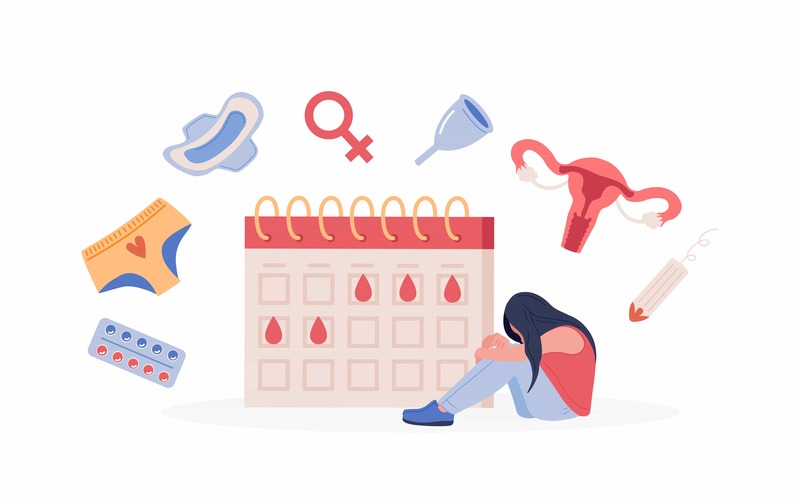
Polycystic ovary syndrome(PCOS) is one of the most common causes of infertility in women, affecting their ability to conceive.The hormonal imbalances associated with PCOS can interfere with ovulation, making it more difficult for women to get pregnant.While PCOS can present challenges, the good news is that with the right care and treatment, many women with PCOS can successfully conceive.Understanding how PCOS impacts fertility and seeking appropriate medical support is key to navigating this issue and achieving reproductive goals.
One of the main ways PCOS affects fertility is by causing irregular or absent ovulation.In a typical menstrual cycle, an egg is released from the ovaries during ovulation, making pregnancy possible.However, in women with PCOS, hormonal imbalances, such as elevated levels of insulin or androgens(male hormones), can disrupt this process, preventing the ovaries from releasing eggs regularly.As a result, women with PCOS often experience irregular or absent periods, which are closely linked to ovulation problems.If a woman with PCOS has difficulty conceiving, it is essential to consult with a fertility specialist to determine whether ovulatory dysfunction is contributing to infertility.
In addition to irregular ovulation, women with PCOS may also experience other fertility - related issues, such as poor egg quality or changes in the uterine lining.Elevated insulin levels and obesity, which are common in women with PCOS, can further exacerbate fertility problems.Fortunately, there are several treatment options available to help women with PCOS overcome infertility.Medications like Clomid or letrozole can stimulate ovulation and increase the chances of pregnancy.In more complex cases, fertility treatments like intrauterine insemination(IUI) or in vitro fertilization(IVF) may be recommended.
Finding the right care for PCOS - related infertility involves a collaborative approach between the woman and her healthcare provider.A fertility specialist can offer personalized treatment options based on individual circumstances and the severity of PCOS symptoms.In addition to medical treatments, lifestyle changes such as maintaining a healthy weight, regular exercise, and a balanced diet can improve hormonal balance and insulin sensitivity, further enhancing fertility outcomes.Emotional support and counseling may also play a crucial role in managing the stress and emotional toll of infertility, as the journey can be both physically and mentally challenging.
While PCOS can complicate fertility, it does not mean that pregnancy is impossible.With the right care, treatment, and support, women with PCOS can overcome infertility challenges and achieve their reproductive goals.Seeking early intervention and discussing fertility options with a healthcare provider can significantly improve the chances of success and help women navigate the path to parenthood.
One of the main ways PCOS affects fertility is by causing irregular or absent ovulation.In a typical menstrual cycle, an egg is released from the ovaries during ovulation, making pregnancy possible.However, in women with PCOS, hormonal imbalances, such as elevated levels of insulin or androgens(male hormones), can disrupt this process, preventing the ovaries from releasing eggs regularly.As a result, women with PCOS often experience irregular or absent periods, which are closely linked to ovulation problems.If a woman with PCOS has difficulty conceiving, it is essential to consult with a fertility specialist to determine whether ovulatory dysfunction is contributing to infertility.
In addition to irregular ovulation, women with PCOS may also experience other fertility - related issues, such as poor egg quality or changes in the uterine lining.Elevated insulin levels and obesity, which are common in women with PCOS, can further exacerbate fertility problems.Fortunately, there are several treatment options available to help women with PCOS overcome infertility.Medications like Clomid or letrozole can stimulate ovulation and increase the chances of pregnancy.In more complex cases, fertility treatments like intrauterine insemination(IUI) or in vitro fertilization(IVF) may be recommended.
Finding the right care for PCOS - related infertility involves a collaborative approach between the woman and her healthcare provider.A fertility specialist can offer personalized treatment options based on individual circumstances and the severity of PCOS symptoms.In addition to medical treatments, lifestyle changes such as maintaining a healthy weight, regular exercise, and a balanced diet can improve hormonal balance and insulin sensitivity, further enhancing fertility outcomes.Emotional support and counseling may also play a crucial role in managing the stress and emotional toll of infertility, as the journey can be both physically and mentally challenging.
While PCOS can complicate fertility, it does not mean that pregnancy is impossible.With the right care, treatment, and support, women with PCOS can overcome infertility challenges and achieve their reproductive goals.Seeking early intervention and discussing fertility options with a healthcare provider can significantly improve the chances of success and help women navigate the path to parenthood.

Breastfeeding And Its Benefits
Breastfeeding is one of the most natural and beneficial ways to nourish a newborn.It provides a unique combination of nutrients, antibodies, and hormones that are crucial for a baby’s growth and development in the early stages of life.The World Health Organization(WHO) recommends exclusive breastfeeding for the first six months of life, followed by continued breastfeeding along with complementary foods.Breastfeeding not only offers essential nutrition but also strengthens the bond between mother and baby, fostering emotional connection and security.
One of the primary benefits of breastfeeding is its ability to boost the baby’s immune system.Breast milk contains a variety of antibodies and white blood cells that help protect the infant from infections, reducing the risk of illnesses such as colds, ear infections, and gastrointestinal issues.In addition, the early exposure to the beneficial bacteria in breast milk helps build the baby’s gut microbiome, which plays a crucial role in digestive health and overall immunity.This natural protection is one of the key reasons why breastfed babies tend to have fewer infections compared to those who are formula - fed.
Breastfeeding also offers numerous health benefits for the mother.It helps the uterus return to its pre - pregnancy size more quickly and reduces the risk of postpartum bleeding.Furthermore, breastfeeding has been shown to lower the risk of developing certain cancers, such as breast and ovarian cancer, later in life.Additionally, it can support weight loss after childbirth, as producing breast milk burns extra calories.The act of breastfeeding also promotes the release of oxytocin, a hormone that helps reduce stress and promotes maternal bonding.
Beyond the immediate health advantages, breastfeeding contributes to the long - term well - being of both mother and child.Research indicates that children who are breastfed have a lower risk of developing chronic conditions such as obesity, diabetes, and asthma as they grow older.For mothers, breastfeeding can have a positive impact on mental health, offering a sense of accomplishment and emotional satisfaction.In addition, breastfeeding is cost - effective, eliminating the need for expensive formula milk and reducing environmental waste from formula packaging.Overall, breastfeeding is a natural, sustainable choice with lasting benefits for both the baby and the mother.
One of the primary benefits of breastfeeding is its ability to boost the baby’s immune system.Breast milk contains a variety of antibodies and white blood cells that help protect the infant from infections, reducing the risk of illnesses such as colds, ear infections, and gastrointestinal issues.In addition, the early exposure to the beneficial bacteria in breast milk helps build the baby’s gut microbiome, which plays a crucial role in digestive health and overall immunity.This natural protection is one of the key reasons why breastfed babies tend to have fewer infections compared to those who are formula - fed.
Breastfeeding also offers numerous health benefits for the mother.It helps the uterus return to its pre - pregnancy size more quickly and reduces the risk of postpartum bleeding.Furthermore, breastfeeding has been shown to lower the risk of developing certain cancers, such as breast and ovarian cancer, later in life.Additionally, it can support weight loss after childbirth, as producing breast milk burns extra calories.The act of breastfeeding also promotes the release of oxytocin, a hormone that helps reduce stress and promotes maternal bonding.
Beyond the immediate health advantages, breastfeeding contributes to the long - term well - being of both mother and child.Research indicates that children who are breastfed have a lower risk of developing chronic conditions such as obesity, diabetes, and asthma as they grow older.For mothers, breastfeeding can have a positive impact on mental health, offering a sense of accomplishment and emotional satisfaction.In addition, breastfeeding is cost - effective, eliminating the need for expensive formula milk and reducing environmental waste from formula packaging.Overall, breastfeeding is a natural, sustainable choice with lasting benefits for both the baby and the mother.
Page 1 of 2